
Studio & Datasets Makeover, Scoped Data Privacy, and TTFT
Datasets get in-cell editing and the studio gets an if/else node. Privacy rules redact secrets and PII at organization, team or project scope, and time to first token becomes a p95 column.
What You Can Do Now
Build in the studio
-
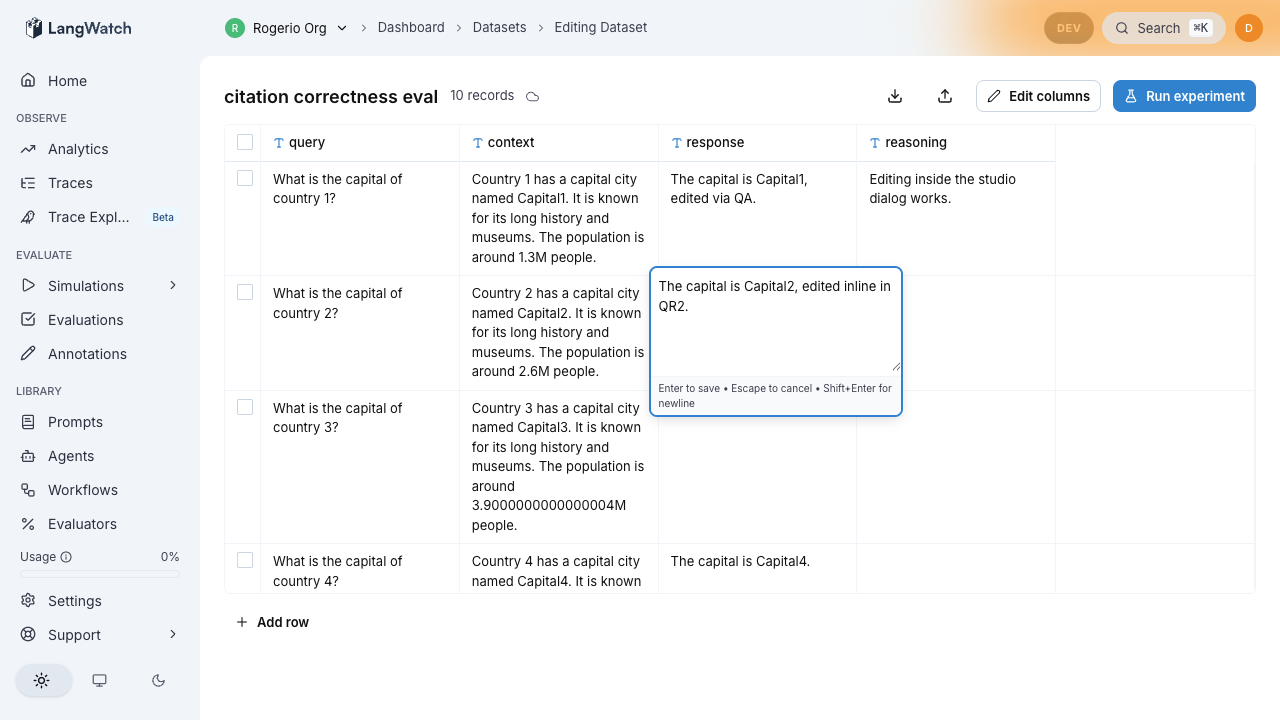
Datasets got a makeover: a cleaner list, in-cell editing, and full editor parity.
-
A new if/else node for branching workflows, a redesigned entry point, and an evaluate API.
-
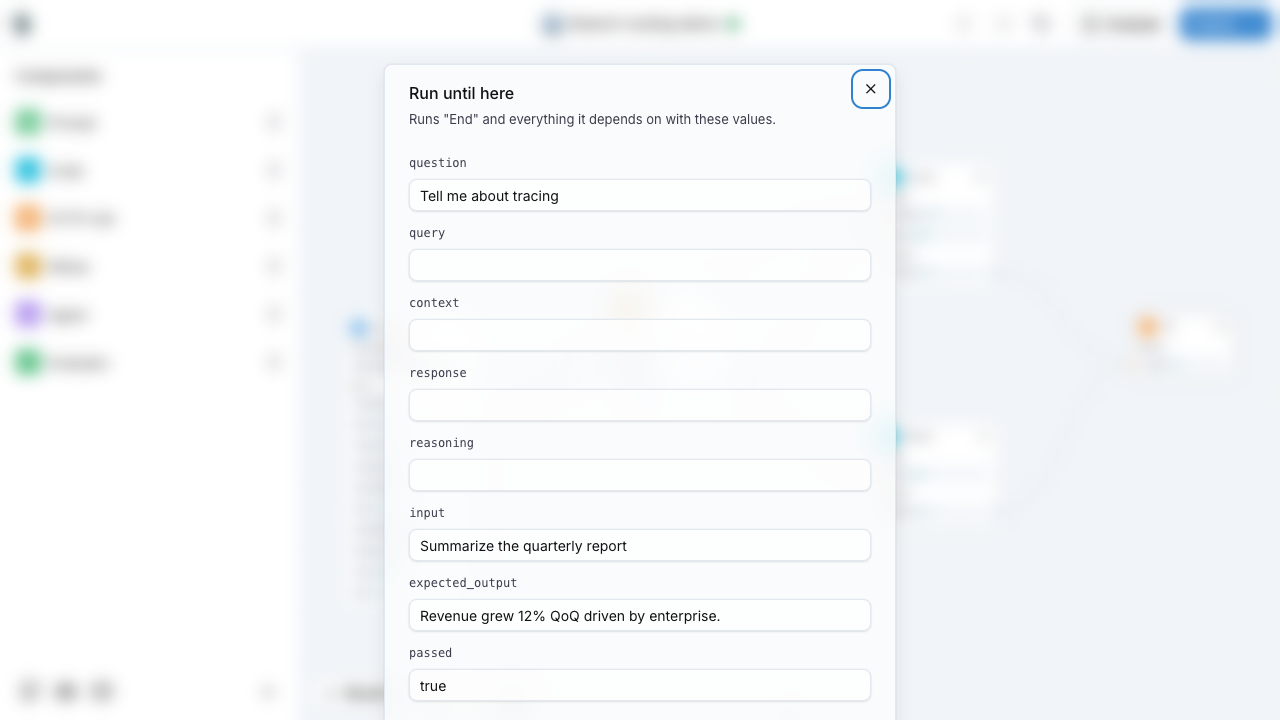
Rename code blocks, drag-sync code-node inputs, and run a workflow up to a chosen node with entered results.
-
The prompt editor no longer render-loops and crashes the playground, and the studio stops falsely showing unsaved changes after a database load.
Protect sensitive data
-
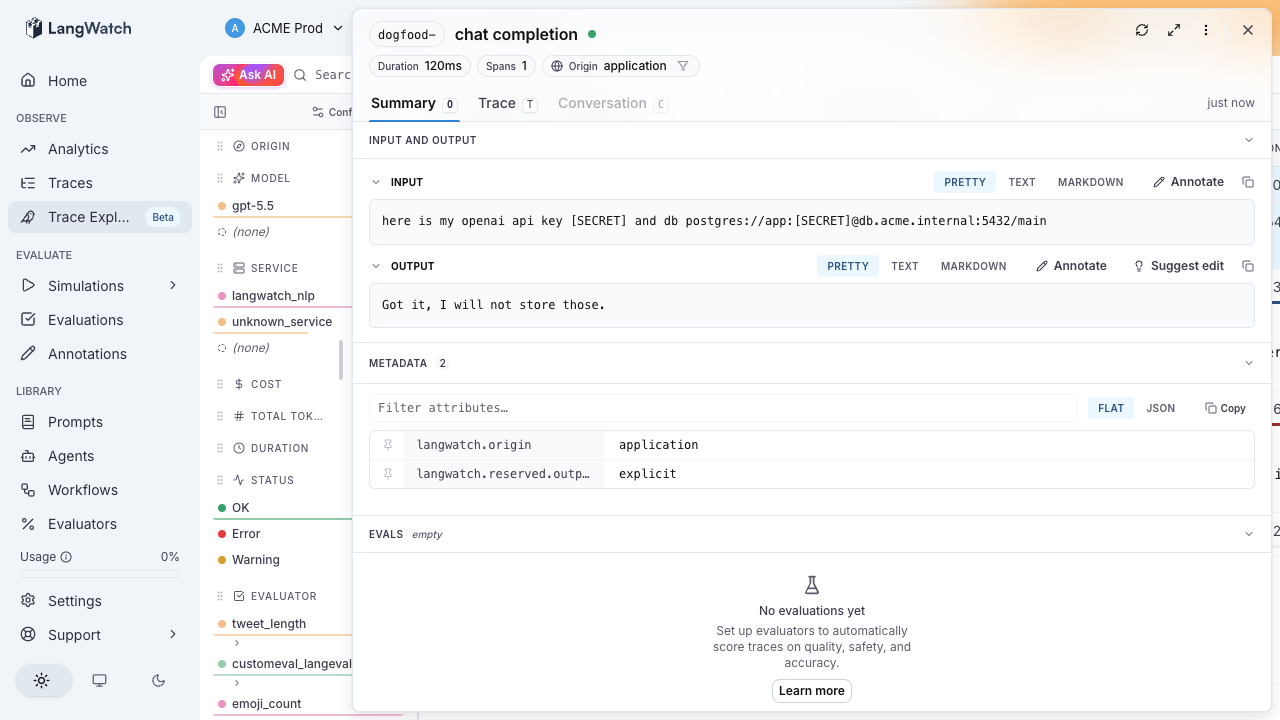
Unified, scoped data privacy: redact secrets and PII (API keys, database URLs, custom labels) across your traces, configurable at organization, team, or project scope.
-
Privacy rules support an inherit option and a shareable drawer link.
Measure time to first token
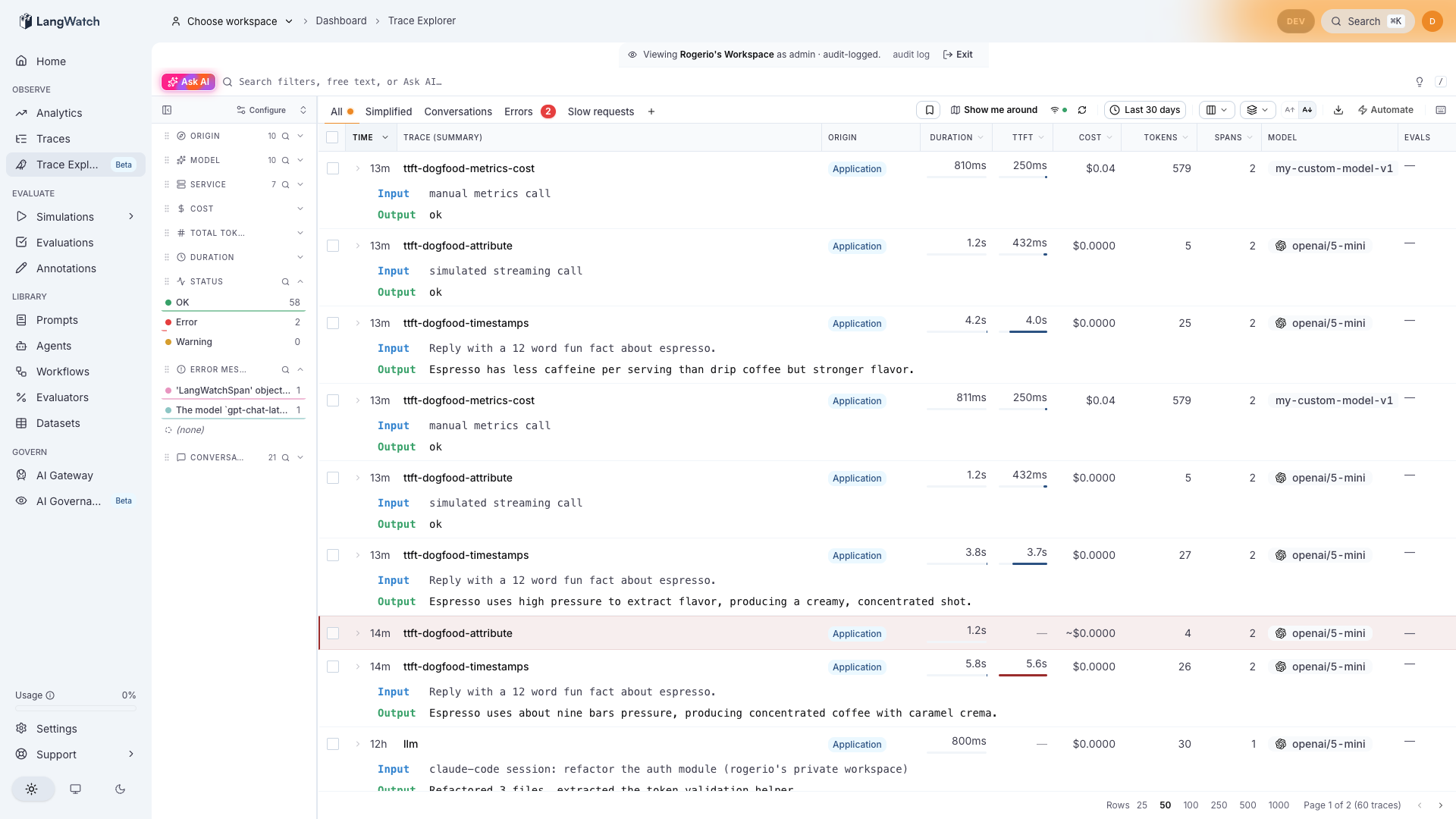
- TTFT is now a first-class metric, with a p95 TTFT column, tooltips, and SDK timing canonicalization, captured from Vercel msToFirstChunk and OpenLLMetry chunk events.
Control trigger emails
-
Trigger emails got spam prevention: a test-fire lockdown, an hourly cap, a per-project daily cap, and one-click unsubscribe.
-
Thumbs-down alerts now require a real down-vote before they fire.
Sign in and manage access
-
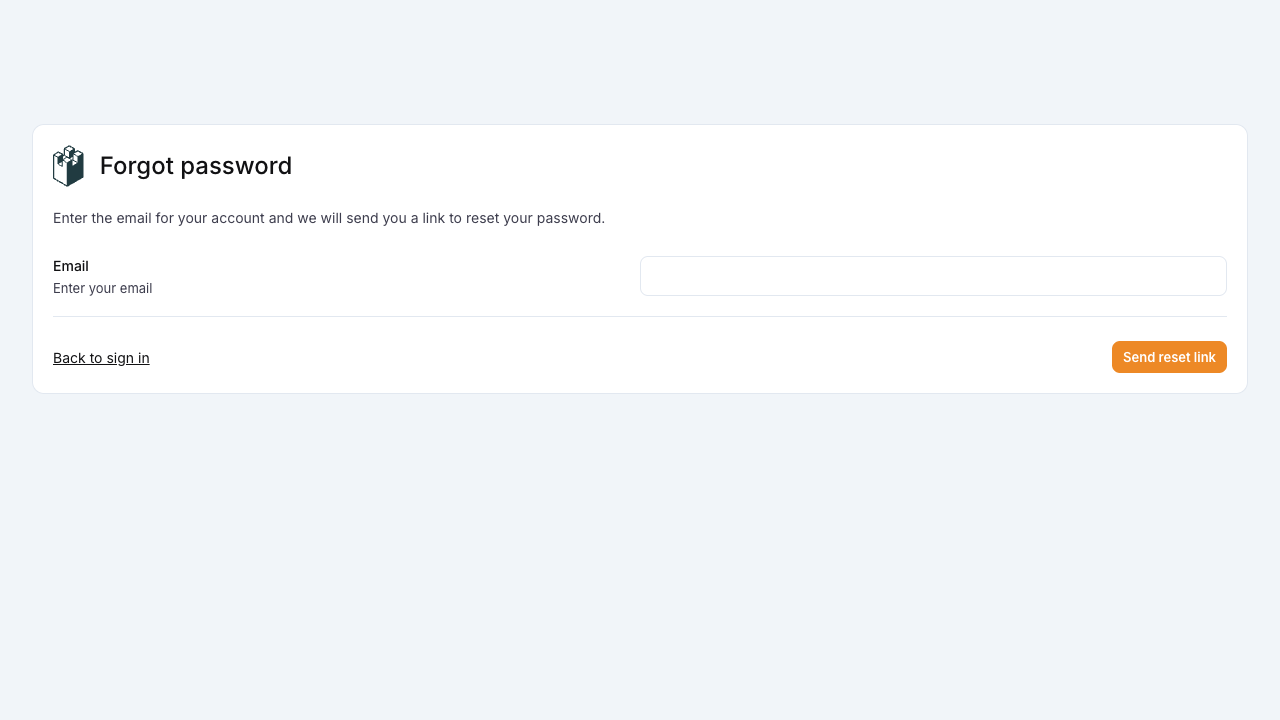
Credential sign-in now has a forgot and reset password flow.
-
Fixed a sign-in loop on account-method collision, and restored project base and legacy API key rotation.
Feed richer inputs to models
-
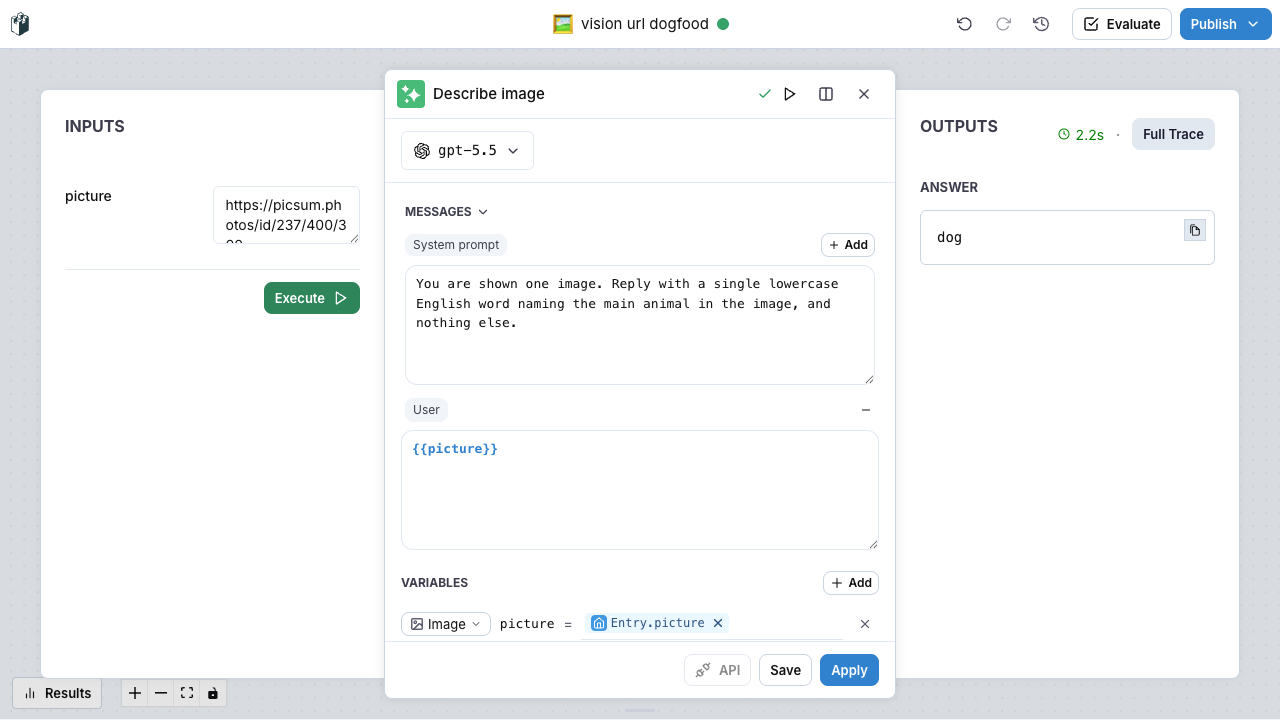
Workflows can fetch remote attachment URLs and deliver them to the model as content (text and images), with a clear error when a URL is bad.
-
Experiments v3 handles multimodal image splitting and lets you abort interactive workbench runs.
Retention and onboarding
-
Plan-based visibility windows: data older than your plan's window now shows as a redacted teaser instead of disappearing.
-
Polished traces onboarding, and you can replicate online evaluators across projects.
Scenario
-
A new realtime_langwatch_session context manager instruments live OpenAI Realtime apps.
-
Per-role voice modality negotiation, a race-condition-free multi-tenant ScenarioConfig, and a context parameter on scenario.judge().
Screenshots
The datasets makeover: in-cell editing with editor parity.
Scoped data privacy: secrets and database URLs redacted automatically.
Time to first token as a first-class column.
Forgot password for credential sign-in.
Studio: run a workflow up to a chosen node.
Remote attachments delivered to the model as image content.
Notes
-
Reliability: large offloaded trace IO over 64KB now resolves correctly on full detail reads, including past mixed-type OTLP attributes.
-
Security: bumped Python infra deps (cryptography, tornado, python-multipart, aiohttp), pyjwt, the protobufjs floor, esbuild/vite/form-data floors, and hono/ws in Scenario.
-
Performance: a large ClickHouse sweep this week, time predicates to stop cold scans on stored spans and logs, single-pass argMax folds for topic clustering and simulation dedup, and pruned event-log reads.